
Hitomi Aikawa & Masaki Hayashi: Ten To Sen
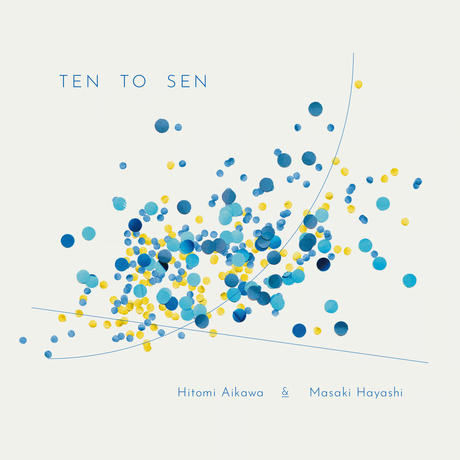
Ten to Sen is a 2025 release from the duo of percussionist Hitomi Aikawa and pianist Masaki Hayashi. On this album, Aikawa plays marimba, glockenspiel, hand drums, and other percussion instruments, and she composed most on the music as well. Hayashi plays piano on all songs and contributed one composition to the album.
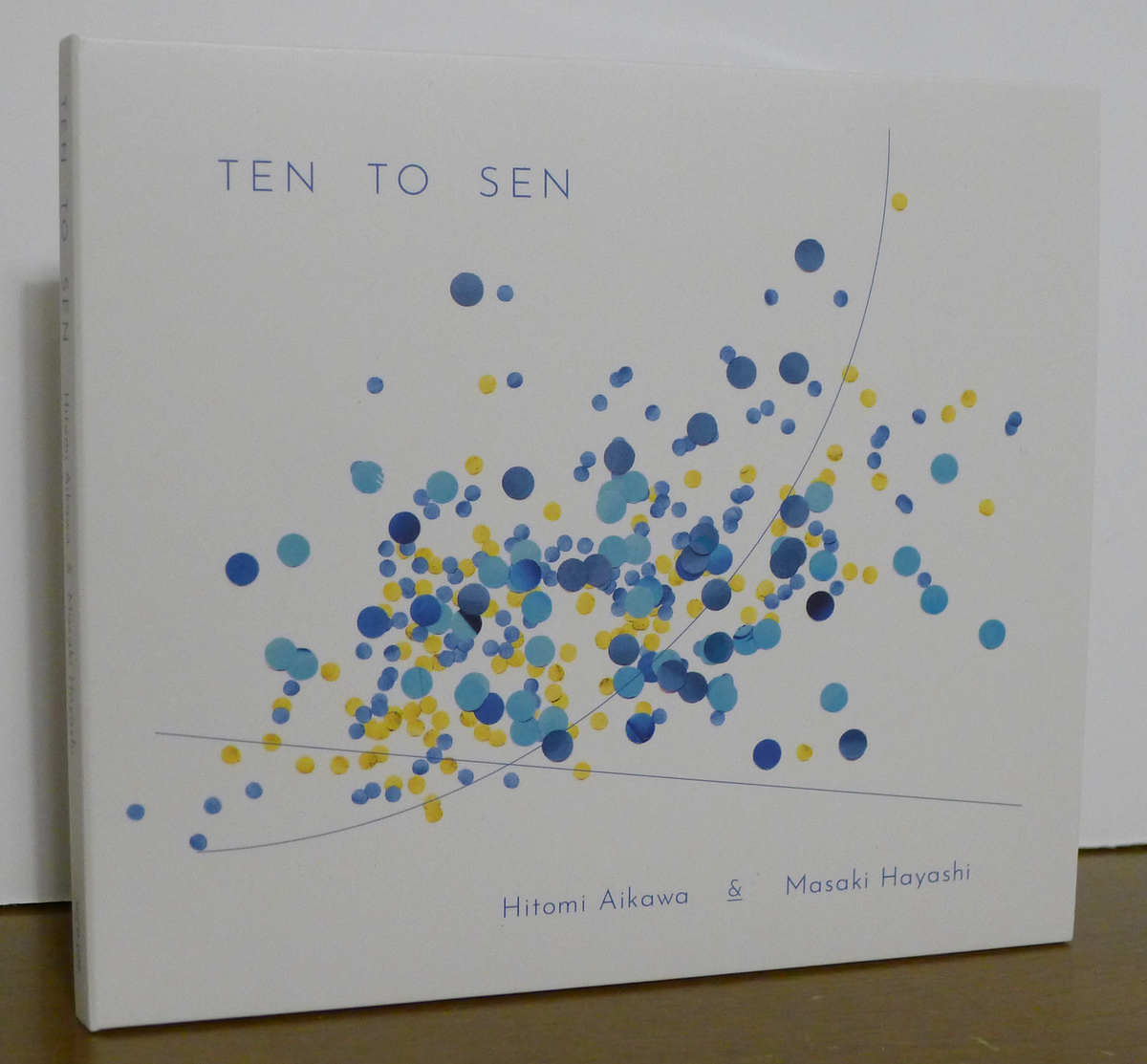
The duo’s music is harmoniously beautiful with an understated personality projecting a calm confidence, one that supports a balance of bold strokes and playful trepidation delivered by patient hands. The duo takes its time with gentle moments as well as the elevated dramatic energy of dots and lines swirling together on a canvas to create colorful stories. When not flowing free in rubato intros and sections, the duo locks into implied deep grooves and looped time-based phrases that repeat over one another, sometimes in offsets that create a crisscross of overlapping motifs combining simplicity and complexity all at once. It’s more soothing waves than sharp corners, still the playing is expert and precise.
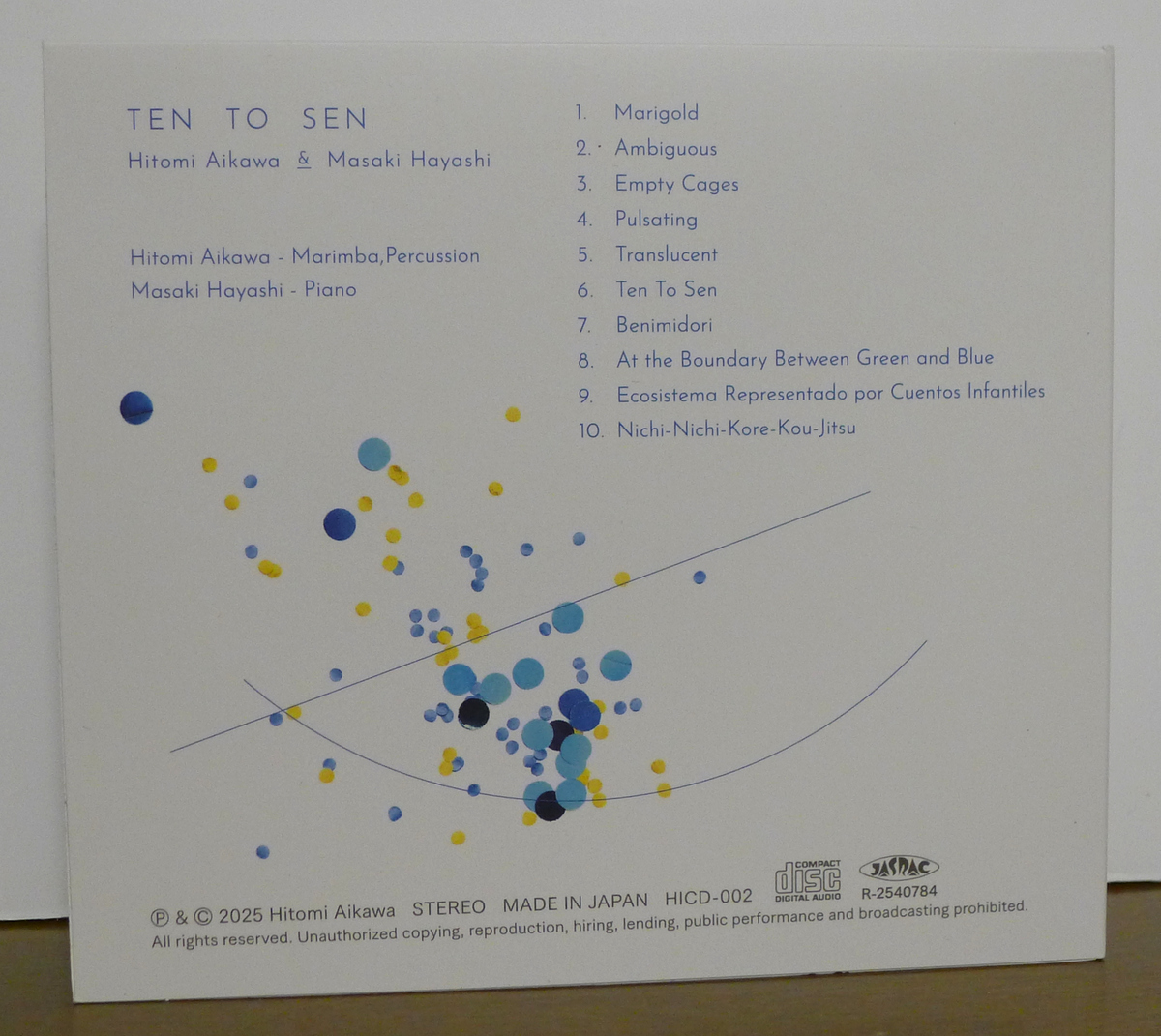
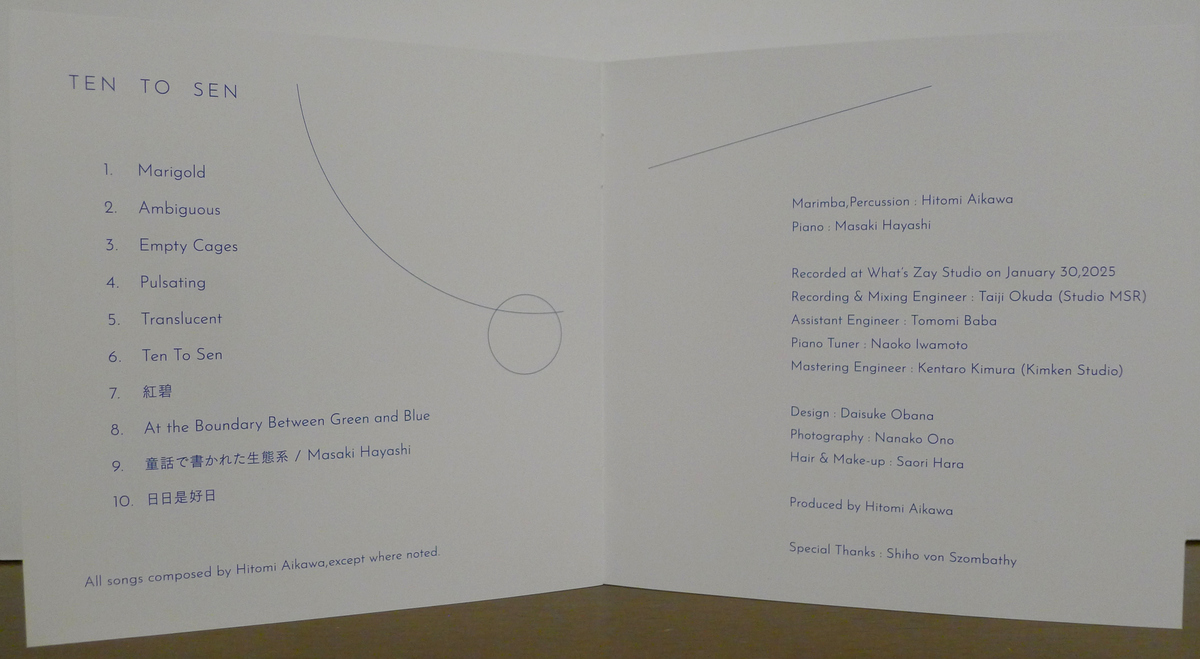
Ten to Sen includes ten songs, nine by Aikawa and one by Hayashi.
- “Marigold” - an opening story where interlacing dots and lines dance in ray-filled grids
- “Ambiguous” - naturally vague in dreamy wide-open spaces
- “Empty Cages” - funky percussive mystery unveils an exciting plot
- “Pulsating” - stimulation of bouncy upbeats and offbeats with a bright funky asymmetry
- “Translucent” - quiet vibrant deep with cajón drum soul and creative flow
- “Ten To Sen” (dots and lines) - up-and-down riffs as impressionistic connect-the-dots, a meditation of abstract flying and bouncing
- “Benimidori” (紅碧, pale azure) - ambient colors floating with Debussy time and grace
- “At the Boundary Between Green and Blue” - moving and invigorating storytelling and depth
- “Ecosistema Representado por Cuentos Infatiles” (童話で書かれた生態系, ecosystem depicted in children’s fairy tales) - fun, folky, funky uplift with wild interplay
- “Nichi-Nichi-Kore-Kou-Jitsu” (日日是好日, every day is a good day) - peaceful sincerity and a gentle exit
The album title Ten To Sen is written on the cover using the English alphabet, so interpreting the title without Japanese kanji characters can be ambiguous. (One creative translation could be 10 for ten in English, to in English, and 1000 for sen in Japanese, resulting in the title of “From 10 to 1000”). However, the most likely interpretation of the title is Dots and Lines. There is a 2019 video (included below) of Aikawa playing an early solo version of the title track where she calls it “TENTOSEN” (てんとせん, ten to sen, dots and lines). In a brief note for that video, she explains that she wrote this music for a special exhibit workshop titled “Dots and lines, colors, shapes” (てんとせん、いろ、かたち) at Iwami Art Museum in Shimane Prefecture in 2019.
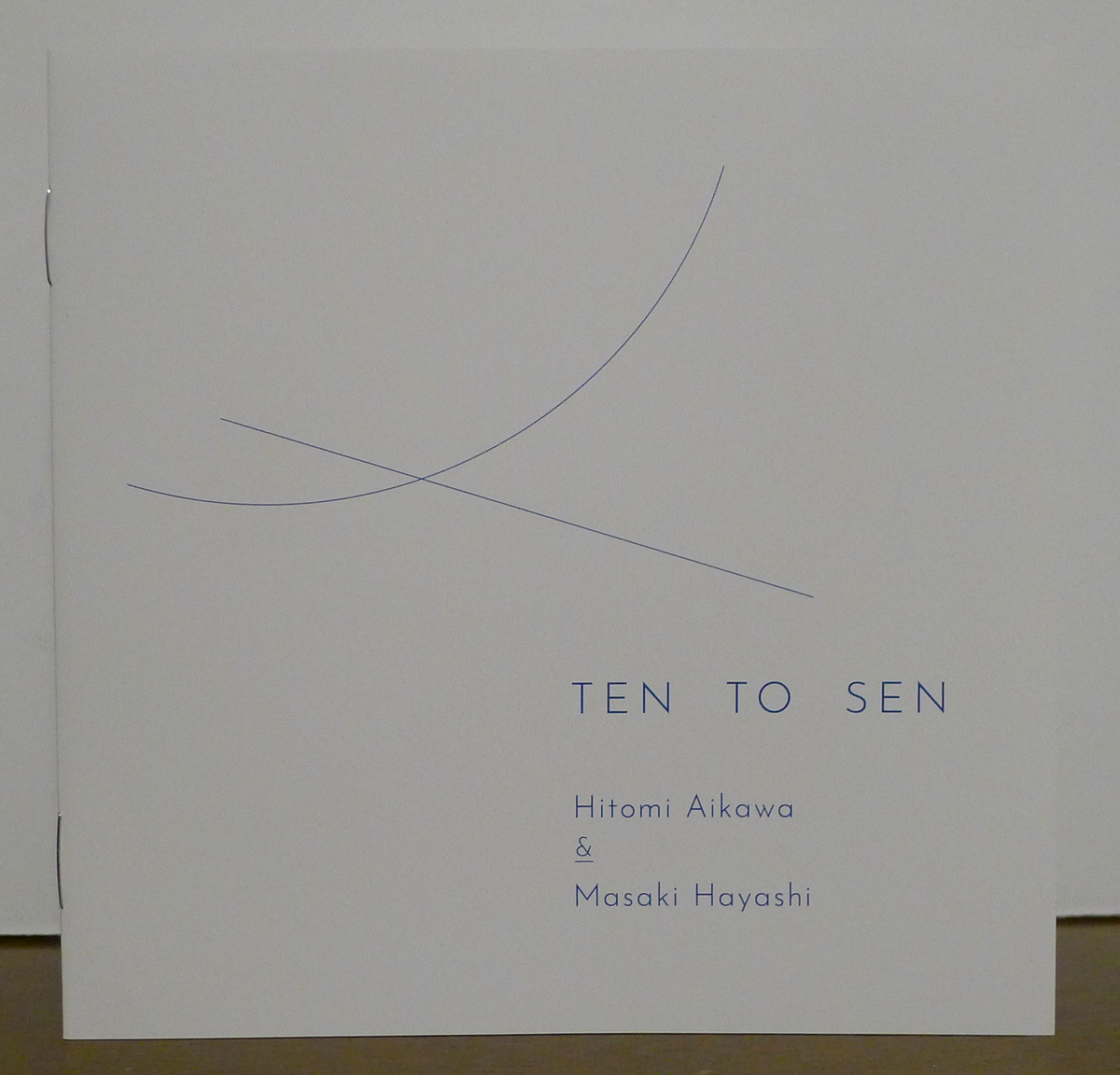
Since the words in the title Ten To Sen are written in English letters rather than Japanese kanji, their meaning is interestingly ambiguous as each word could be interpreted in a few ways:
- ten - point (点), rotation (転), sky/heaven (天)…
- to - and, with, if/when (と)…
- sen - line (線), thousand (千), immortal/celestial being (仙)…
The album liner notes by Yoshihide Omoto also play on this flexibility of interpretation.
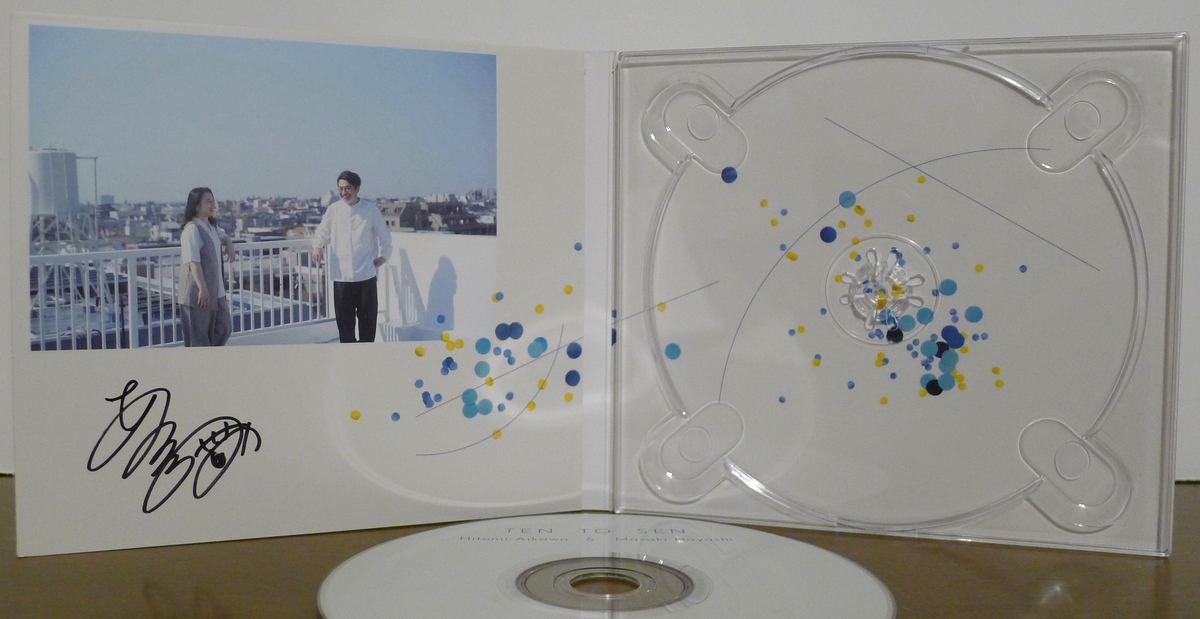
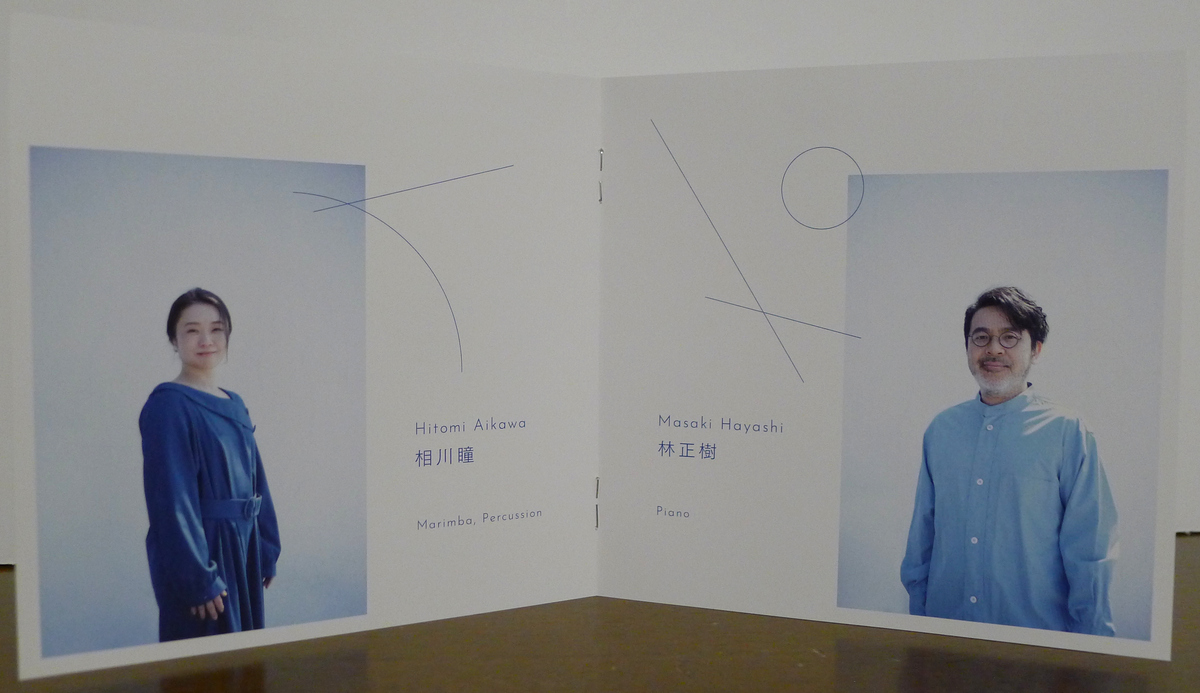
Considering the art museum workshop, a likely first translation of Ten To Sen would be Dots and Lines. Especially with the spirited soft wood sounds of marimba running through the music, it’s easy to imagine myriad dots bouncing and tracing long lines through space, interlaced and increased by the fullness and attack of the piano. The cover art, with its spatter of dots and curved lines, also adds to this visual imagery of dots and lines, an interpretation that becomes more obvious when taking the album images into account.
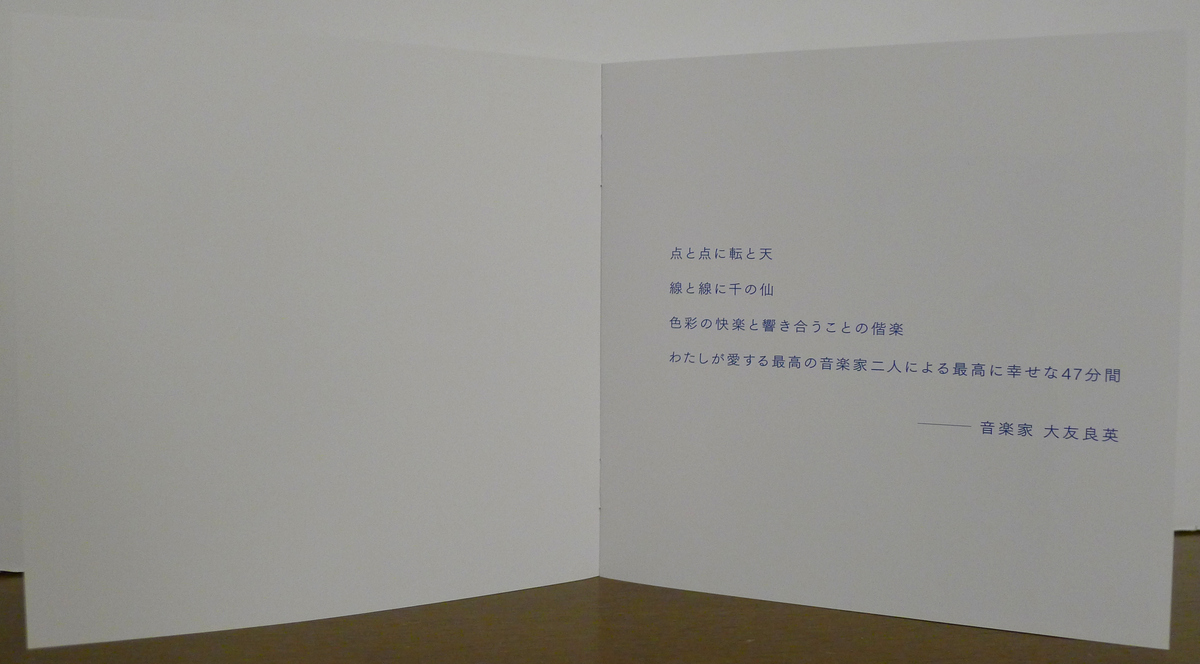
Liner Notes
点と点に転と天
線と線に千の仙
色彩の快楽と響き合うことの偕楽
わたしが愛する最高の音楽家二人による最高に幸せな47分間
– 音楽家 大友良英
The first two lines from the poetic liner notes play on the main words from the title, ten and sen, by repeating the rhyming sounds using differently words:
- ten to ten ni ten to ten (点と点に転と天)
- sen to sen ni sen no sen (線と線に千の仙)
Translated, the complete liner notes read:
From point to point, rotation and heaven
Between the lines, thousands of immortalities
The sublimity of color, the shared reverberations of pleasure
An incredibly pleasing 47 minutes from two brilliant musicians that I love
– Yoshihide Otomo, musician

Obi Notes
The obi notes for Ten to Sen are the same as the last two lines of the liner notes:
The sublimity of color, the shared reverberations of pleasure
An incredibly pleasing 47 minutes from two brilliant musicians that I love
– Yoshihide Otomo, musician
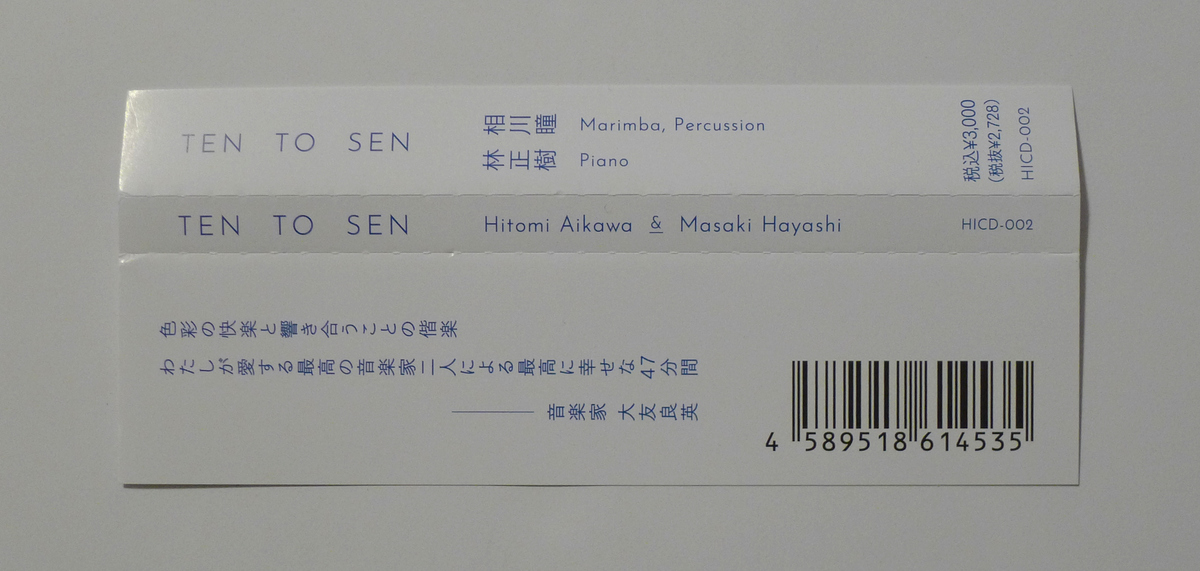
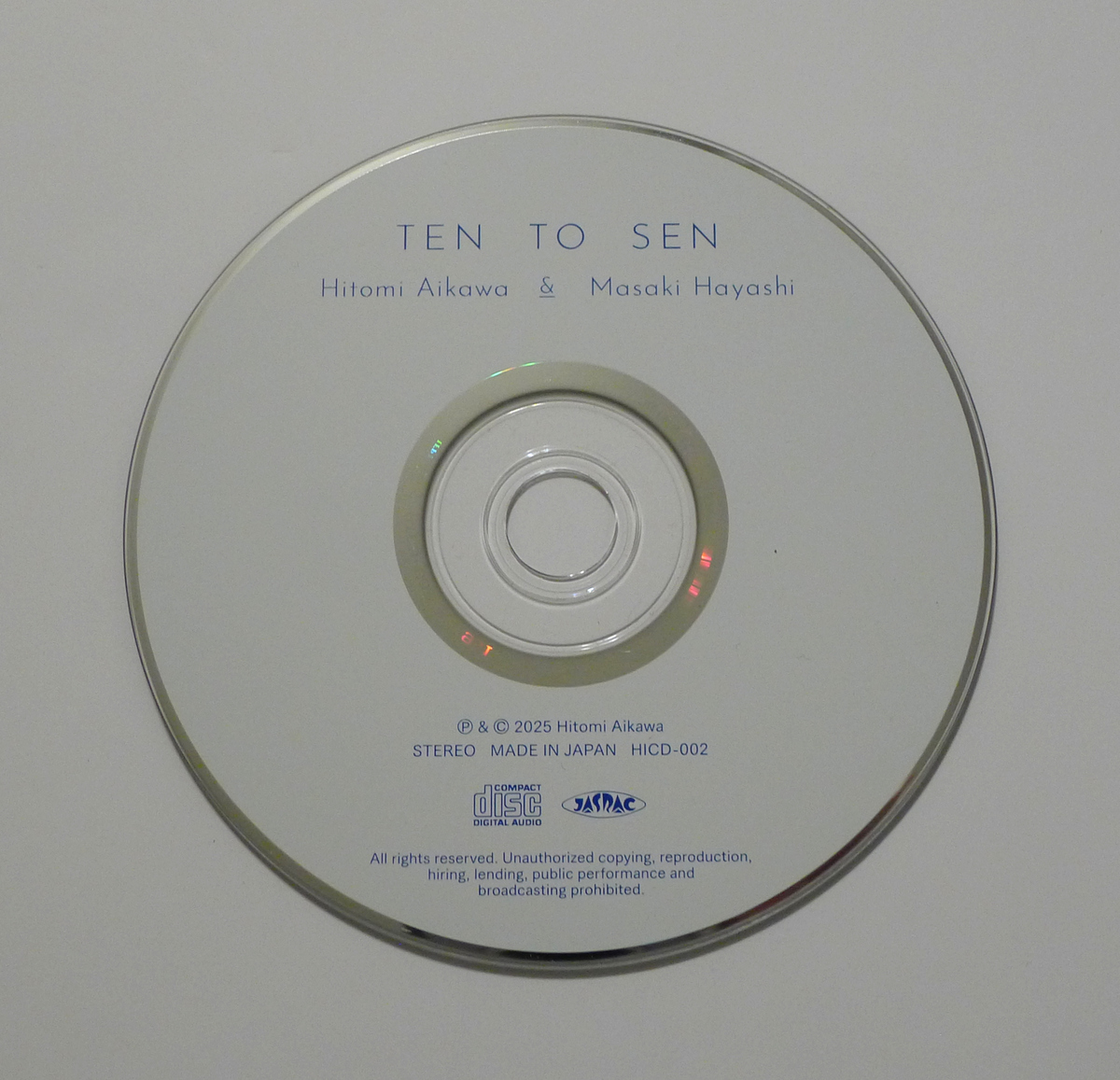
Ten to Sen by Hitomi Aikawa & Masaki Hayashi
- Hitomi Aikawa - percussion
- Masaki Hayashi - piano
Released in 2025 on Hitomi Aikawa as HICD-002.
Japanese names: 相川瞳 Aikawa Hitomi 林正樹 Hayashi Masaki
Audio and Video
- Excerpt from track #1: “Marigold”
Jazz of Japan #362 • Apr 26, 2026 • Brian McCrory
Related albums: Un Jour (2011), Mistral (2013), Sweet (2018), El viento y las flores (2022)